
The space between cuts
A cut can land a joke, change the point of a scene, or give a moment room to register. A few things we listen for when editing.
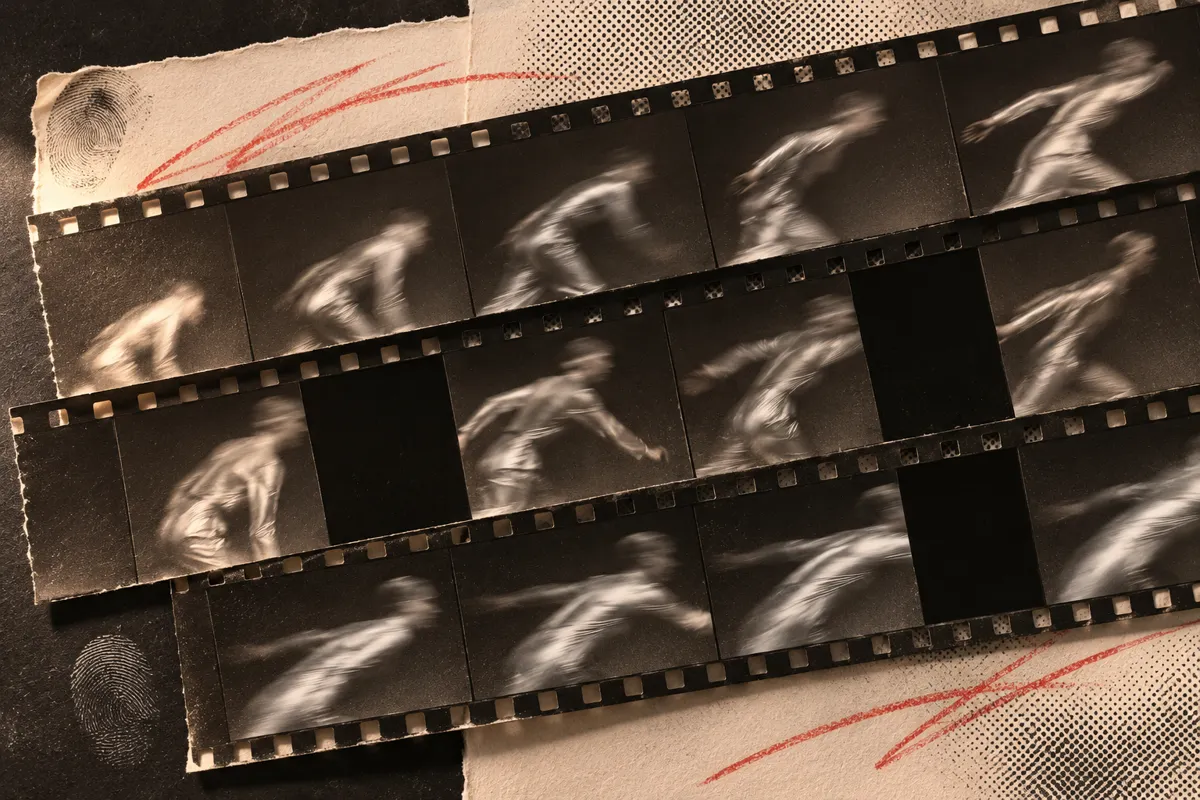
Take a few seconds of someone looking out a window. Follow it with a shot of a bus pulling away and it might feel like they’ve missed something. Leave the camera on their face a little longer and the same shot can feel like a decision. Nothing in the footage has changed. The order and the timing are doing the work.
Try the scene without the track
Music can give an edit a useful pulse, but it can also make a weak sequence feel finished before it is. One way to check is to mute the music and watch the piece through. Can you still tell where a thought begins and ends? Does the opening make sense? Is there a shot you’re holding purely because the next beat hasn’t arrived?
When the track comes back, it has something to work with. Some cuts can meet the rhythm. Others can arrive a little ahead or sit behind it. That difference is often where the piece starts to feel alive.
Make room for the useful pause
A breath before an answer or a beat after a title can help the viewer catch up. The tricky bit is deciding where the pause belongs. A frame can be lovely to look at and still be in the wrong place.
If you’re giving feedback on an edit, it helps to tell us what you felt and when. “I wasn’t sure who was speaking here” gives us something to solve. “The ending felt sudden” might point to the picture, the sound, or a moment we cut too early.
The version someone will actually watch
A cut for a homepage and a cut for a phone feed start in different places. The same footage might need a different opening, more space for captions, or a tighter frame. It helps to know where the piece is going before we start timing it.
The cover here is a generated studio illustration. The missing frames in the strips are a small way to make the idea visible: sometimes the interesting part is what happens in the gap.